Imagine building someone else’s dream home all day, then going back to a tin shed with no fan, no clean water, and no toilet. For lakhs of construction workers in Gujarat, this was daily life — until the state government decided to change it. If you are a registered construction worker in Gujarat, or someone in your family is, you could get proper temporary housing for just ₹5 a day. Here is everything you need to know.
✅ This guide is based on official government sources and notifications. Last verified: October 12, 2026. Scheme details, eligibility criteria, and benefit amounts are revised by the government from time to time — always cross-check the latest information on the official portal before applying.
What is Shramik Basera Yojana?
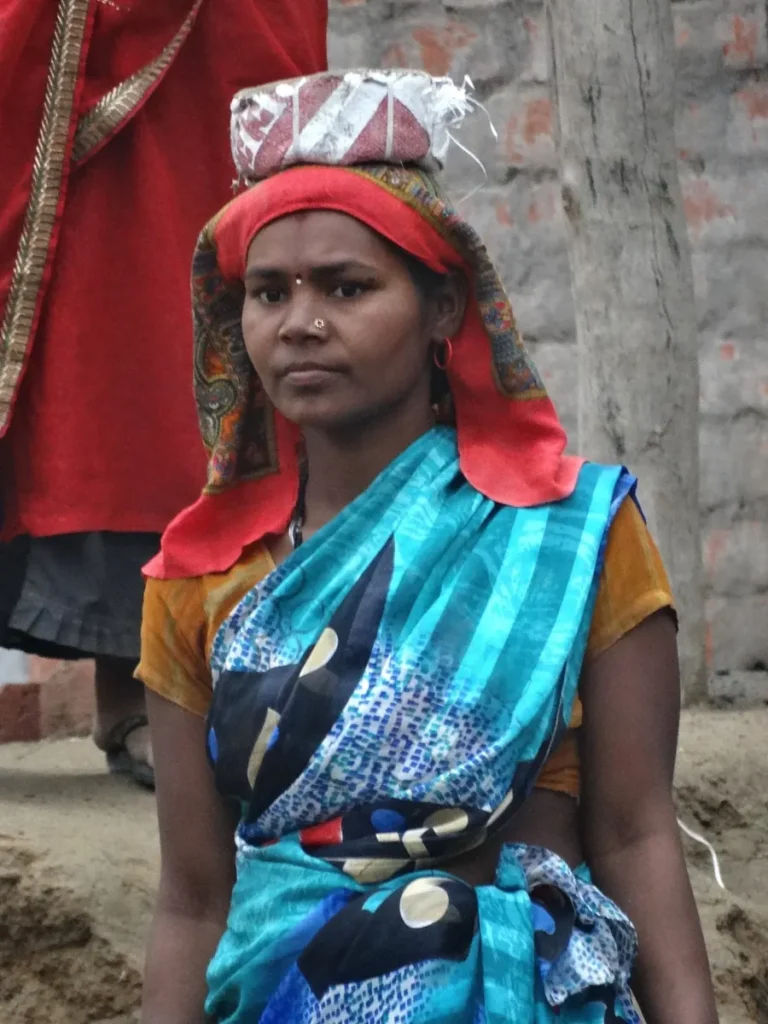
Shramik Basera Yojana is a Gujarat government housing scheme that gives temporary prefabricated accommodation to registered construction workers near their workplace, called kadianaka in Gujarati. It was launched on 18 July 2024 by Chief Minister Bhupendra Patel, with a budget of ₹1,500 crore spread over three years.
The goal is simple but powerful: in the next three years, around 3 lakh construction workers across Gujarat should have access to decent temporary housing instead of roadside shanties. The housing units are prefabricated structures — quick to build, equipped with basic amenities, and dismantlable when a project site winds up.
What makes this scheme different from regular housing schemes like PMAY is that it is not about owning a house. It is about dignified temporary shelter while you work. You pay a token amount, stay near your work site, and move on when the project ends.
Shramik Basera Yojana 2026: Key Highlights
| Aspect | Details |
|---|---|
| Scheme name | Shramik Basera Yojana |
| Launched on | 18 July 2024 |
| Launched by | CM Bhupendra Patel, Gujarat |
| Budget | ₹1,500 crore (3 years) |
| Target beneficiaries | 3 lakh construction workers |
| Rent | ₹5 per day (children under 6 stay free) |
| Implementing body | Gujarat Building and Other Construction Workers Welfare Board (GBOCWWB) |
| Registration portal | enirmanbocw.gujarat.gov.in |
| Booking | Samman portal (online) or walk-in at site |
| First phase sites | 17 sites — Ahmedabad, Gandhinagar, Rajkot, Vadodara |
Why Was Shramik Basera Yojana Started?
At the launch event in Ahmedabad, the Chief Minister said something that stuck with everyone: a labourer builds grand buildings for others but has no proper housing for his own family. That line captures the entire spirit of the Shramik Basera Yojana.
Construction workers in Gujarat — lakhs of them migrants from other states — typically live in makeshift shelters near project sites. No sanitation, no drinking water, no security, and children growing up in unsafe conditions. The Shramik Basera Yojana attacks this problem directly by building organised, serviced accommodation near the kadianaka (labour gathering points) where workers actually are.
The scheme works alongside the Shramik Annapurna Yojana, which provides food to workers, so a worker’s two biggest daily worries — shelter and food — are both addressed at minimal cost.
Benefits: What Do Workers Actually Get?
The headline benefit is the price: accommodation at ₹5 per day. For a month, that is roughly ₹150 — less than what most workers spend on tea in a week. Children up to 6 years of age can stay completely free.
But the real value is in the facilities bundled with it:
- Electricity and fans in every unit — no more sleeping in 45-degree heat without a fan
- Clean drinking water — RO or treated water supply at the site
- Kitchen facility — so families can cook their own food
- Toilets and sanitation — separate blocks with regular cleaning
- Street lights across the campus for night-time safety
- CCTV monitoring and guard cabin — 24×7 security
- Medical facility — basic healthcare and free health check-ups arranged periodically
- Childcare support — important for families with young children
Electricity, drinking water, security, medical and childcare facilities are provided absolutely free — the ₹5/day covers only the accommodation itself.
Eligibility Criteria for Shramik Basera Yojana
Not everyone can walk in and claim a unit. You must meet these conditions:
- Registered construction worker: You must be registered with the Gujarat Building and Other Construction Workers Welfare Board (GBOCWWB). This is the non-negotiable core requirement.
- Valid e-Nirman card: You need the identity card/smart card issued as a construction worker — the e-Nirman card — and it must be renewed on time. An expired card means no benefit.
- Indian domicile: You must be a domiciled citizen of India. Migrant workers from other states working in Gujarat are eligible as long as they are registered with the Gujarat board.
- Family coverage: The registration covers your family too — spouse and children can stay with you. Children up to age 6 stay free.
If you work in construction in Gujarat but have never registered with the welfare board, your first step is getting the e-Nirman card — the Shramik Basera benefit follows automatically after that.
Documents Required
Keep these ready before you apply — it saves a repeat trip:
- Aadhaar card — primary identity proof
- e-Nirman card — your construction worker registration card (must be valid/renewed)
- Mobile number — linked for OTP verification during online registration
- Passport-size photograph — recent, for the application form
- Children’s birth certificates — only if children will stay with you (needed to claim the under-6 free stay)
How to Apply for Shramik Basera Yojana Online: Step-by-Step
You can book accommodation online through the Samman portal, or simply walk into a Shramik Basera site. Here is the online process:
- Visit the e-Nirman portal: enirmanbocw.gujarat.gov.in
- On the home page, under the “Login to Portal” tab, click “Please Register Here” if you are a new user
- Enter all mandatory details — name, Aadhaar, mobile number, trade/work type — and click Register
- Verify with the OTP sent to your mobile number
- After successful registration, login with your User ID and password
- Update your profile with all necessary details and click Update
- Select the “Construction Works Form” and fill in all mandatory information
- Upload the required documents, accept the terms and conditions, and submit
- An application number is generated — save it for future reference and status tracking
Once your worker registration is active, you can book a Shramik Basera unit on the Samman portal or visit the nearest site with your e-Nirman card.
How to Apply Offline
No smartphone? No problem. Visit the Shramik Basera accommodation site nearest to your workplace directly. Carry your e-Nirman card and Aadhaar. The site staff will verify your registration and allot a unit on the spot, subject to availability.
How to Get the e-Nirman Card (If You Don’t Have One)
The e-Nirman card is the gateway to this scheme and several other construction-worker welfare benefits in Gujarat. If you are a construction worker without one:
- Go to enirmanbocw.gujarat.gov.in and register as described above
- Fill the construction worker registration form with your personal, work, and bank details
- Upload Aadhaar, photograph, and proof of construction work (employer certificate or self-declaration as applicable)
- Submit and note the application number
- The board verifies your application; on approval, your e-Nirman smart card is issued
Renew it before expiry — a lapsed card blocks all welfare benefits, including Shramik Basera accommodation.
Shramik Basera Site Locations (Phase 1)
In the first phase, 17 Shramik Basera sites were set up, expected to benefit around 15,000 workers:
- Ahmedabad: 7–8 sites (including Jagatpur, where the first Basera was inaugurated)
- Gandhinagar: 1 site
- Rajkot: 6 sites
- Vadodara: 3 sites
The government plans to expand phase-wise to cover kadianakas across the state, targeting 3 lakh workers over three years. New sites are announced on the GBOCWWB portal — check it periodically if your work area is not covered yet.
Shramik Annapurna Yojana: Food Along With Shelter
Shelter alone does not solve a worker’s day. That is why the Shramik Basera Yojana is paired with the Shramik Annapurna Yojana, which provides food to construction workers at the Basera sites. Combined with the free health check-ups arranged at the campuses, a worker gets the three basics — roti, kapda (shelter), and basic healthcare — for next to nothing.
Shramik Basera Yojana vs Other Housing Schemes
| Feature | Shramik Basera Yojana | PMAY (Urban/Rural) |
|---|---|---|
| Type | Temporary rental accommodation | Permanent house ownership |
| Cost to beneficiary | ₹5/day | Subsidy + own contribution/loan |
| Who is it for | Registered construction workers | EWS/LIG/MIG families generally |
| Location | Near workplace (kadianaka) | Beneficiary’s plot/allotted land |
| Ownership | No ownership — use while working | Full ownership of house |
| Best for | Migrant/mobile workers needing shelter now | Families wanting a permanent home |
The two schemes complement each other — a construction worker can use Shramik Basera for immediate shelter while applying for PMAY for a permanent house back home.
Helpline and Grievance Redressal
If you face issues with registration, booking, or facilities at a Basera site:
- Use the grievance section on the e-Nirman portal (enirmanbocw.gujarat.gov.in)
- Visit the GBOCWWB district office in your work district for in-person help
- For site-level issues (water, electricity, sanitation), contact the site manager/guard cabin — every Basera has one
Keep your application number handy whenever you raise a complaint — it speeds up resolution.
5 Mistakes to Avoid While Applying
- Applying without a valid e-Nirman card: The card is mandatory. An expired or unrenewed card = automatic rejection.
- Wrong mobile number: OTP verification fails if the number is not active. Use a number you actually carry.
- Skipping document uploads: Incomplete applications sit in pending forever. Upload Aadhaar, photo, and card in one go.
- Not saving the application number: Without it, you cannot track status or raise grievances.
- Assuming permanent allotment: This is temporary housing tied to your work. Do not treat it as a permanent address for other government documents.
Frequently Asked Questions
What is Shramik Basera Yojana?
Shramik Basera Yojana is a Gujarat government scheme launched on 18 July 2024 that provides temporary prefabricated housing to registered construction workers near their workplace at just ₹5 per day, with free electricity, water, security, and medical facilities.
Who is eligible for Shramik Basera Yojana?
Construction workers registered with the Gujarat Building and Other Construction Workers Welfare Board (GBOCWWB) holding a valid, renewed e-Nirman card are eligible. Their families, including children, can stay with them.
How much does Shramik Basera accommodation cost?
Only ₹5 per day. Children up to 6 years of age stay completely free. Electricity, drinking water, security, medical facilities, and childcare are provided free of cost.
How can I apply for Shramik Basera Yojana online?
Register on the e-Nirman portal (enirmanbocw.gujarat.gov.in), complete your worker profile, and then book accommodation on the Samman portal. You can also walk into any Shramik Basera site with your e-Nirman card and Aadhaar.
What documents are needed for Shramik Basera Yojana?
Aadhaar card, valid e-Nirman card, mobile number, passport-size photograph, and children’s birth certificates (if children are staying with you).
Where are Shramik Basera sites located?
Phase 1 covers 17 sites across Ahmedabad, Gandhinagar, Rajkot, and Vadodara, benefiting around 15,000 workers. More sites will be added phase-wise to reach 3 lakh workers in three years.
Conclusion
At ₹5 a day, the Shramik Basera Yojana is one of the most worker-friendly welfare schemes Gujarat has launched in recent years. If you are a registered construction worker — or know someone who is — getting the e-Nirman card renewed and booking a Basera unit is a no-brainer. Decent shelter, clean water, security, and healthcare near your workplace, for less than the cost of a cup of tea. Share this guide with workers who need it; the scheme only works if the people it was built for actually know about it.
Inside a Shramik Basera: What the Housing Actually Looks Like
A Shramik Basera is not a single building — it is a planned campus of prefabricated housing units. Prefabricated means the wall panels, roofing, and frames are manufactured off-site and assembled quickly at the location. This matters because a Basera can come up in weeks near a new project site, and be dismantled and shifted when the project ends.
Each family unit typically includes a living room space, and the campus shares common kitchens, toilet blocks, and washing areas. Every unit gets a ceiling fan and electric points — a big deal in Gujarat summers when site temperatures cross 42°C. The campuses are fenced, with a guard cabin at the entry and CCTV cameras covering common areas, which especially matters for the safety of women and children.
Street lighting across the campus means workers returning late from shifts do not walk in the dark. Drinking water is supplied through treated sources, and medical facilities — from a first-aid room to periodic free health check-up camps — handle the minor injuries and illnesses common on construction sites.
The ₹1,500 Crore Budget: Where the Money Goes
The Shramik Basera Yojana carries a ₹1,500 crore provision over three years. To put that in perspective, at roughly ₹5–8 lakh per prefabricated unit cluster including shared infrastructure, the budget covers construction of hundreds of Basera campuses plus their running costs — water, electricity, security staff, sanitation workers, and medical camps.
The money flows through the Gujarat Building and Other Construction Workers Welfare Board, which collects a labour welfare cess from construction projects in the state. In other words, the construction industry itself funds the welfare of its workers — the cess paid by builders on every project becomes the housing, food, and healthcare that workers receive.
How Site Allotment Works: From Booking to Moving In
Once your e-Nirman registration is active, getting a unit follows a simple flow:
- Find your nearest Basera: Check the site list on the GBOCWWB portal or ask at your kadianaka. Phase 1 sites are in Ahmedabad, Gandhinagar, Rajkot, and Vadodara.
- Book online or walk in: Use the Samman portal for online booking, or visit the site with your e-Nirman card and Aadhaar.
- Verification: Site staff verify your e-Nirman card validity and registration status on the spot.
- Allotment: A unit is allotted based on family size and availability. You pay the nominal ₹5/day charge.
- Move in: Collect your unit key and the campus rule sheet (timings, common facility usage, sanitation duties).
There is no fixed maximum stay duration prescribed — you can stay as long as you are working in the area and your registration remains valid. When your project ends, you can request a transfer to a Basera near your next work site.
e-Nirman Card Renewal: Don’t Let It Lapse
The single biggest reason workers lose Shramik Basera access is an expired e-Nirman card. Renewal is straightforward but easy to forget:
- Log in to enirmanbocw.gujarat.gov.in before your card’s expiry date
- Update your employment details if you changed contractors or sites
- Pay the nominal renewal fee (as prescribed by the board) and submit
- Download the renewed digital card; the physical smart card follows by post or can be collected from the district office
Set a phone reminder a month before expiry. Site managers do check card validity during periodic verification drives, and an expired card means you may be asked to vacate until renewal.
Role of Contractors and Employers
If you are a contractor or site engineer reading this: you can multiply the scheme’s impact. Many workers never register simply because nobody told them how. Employers can:
- Organise registration camps at the project site with a laptop and biometric device
- Help workers keep their e-Nirman cards renewed — track expiry dates for your crew
- Coordinate with the welfare board for a Basera near your project if none exists in the area
- Inform workers about the Shramik Annapurna Yojana food facility alongside housing
A workforce with decent housing is a more stable, productive workforce — lower attrition, fewer health-related absences, and better morale on site.
Other GBOCWWB Welfare Benefits You Should Claim
The Shramik Basera Yojana is one of many benefits under the welfare board. Registered workers with a valid e-Nirman card can also access:
- Education assistance for workers’ children — scholarships and school expense support
- Marriage assistance for daughters of registered workers
- Maternity benefits for women construction workers
- Accident and disability compensation — critical in a high-risk trade
- Pension-type support in old age for long-registered workers
- Skill training programs to move up to higher-paid construction trades
Check the e-Nirman portal’s scheme list — most workers claim only one or two benefits while being eligible for half a dozen.
Impact So Far: Numbers That Matter
Since the July 2024 launch, the first phase of 17 Baseras has started serving around 15,000 workers across the four initial cities. The three-year roadmap targets 3 lakh workers — roughly a fifth of Gujarat’s estimated construction workforce.
The early feedback from workers has centred on three things: children sleeping safely instead of on footpaths, women feeling secure with CCTV and guards around, and the sheer relief of a fan and clean water after a 10-hour shift in the sun. For a scheme that costs the worker ₹150 a month, that is a remarkable return on public money.
Is Shramik Basera Yojana available outside Gujarat?
No — this is a Gujarat-specific scheme run by the Gujarat Building and Other Construction Workers Welfare Board. Other states have their own construction-worker welfare boards with different schemes. If you work in another state, check that state’s labour welfare board portal for equivalent housing support.
Can single male workers apply, or is it only for families?
Both. Single workers get smaller units or shared dormitory-style accommodation at the same ₹5/day rate, while families get family units. The scheme explicitly covers the worker and their family.
What if my work site has no Basera nearby?
Phase-wise expansion is ongoing. Meanwhile, raise a request through the GBOCWWB district office or the e-Nirman portal grievance section — site selection for new Baseras is partly driven by worker demand data. Employers can also formally request a Basera near large project sites.