
If you’ve been doing SEO for more than a year, you already know this uncomfortable truth: link building has never been harder and or misunderstood.
What worked in 2012 will quietly kill your site today.
What worked in 2018 barely moves the needle now.
And what most “SEO blogs” still recommend in 2026? Half of it is either ineffective, risky, or disconnected from how Google actually evaluates links today.
I’ve built, ranked, penalized, recovered, sold, and retired niche websites over the last 6+ years. I’ve seen Google Penguin rollouts wipe out six-figure sites overnight. I’ve also watched small, boring websites outrank giants simply because they understood how links are interpreted now, not how they used to be.
This article is not a list of “100 link-building ideas.”
It’s not recycled outreach templates.
It’s not theory.
This is a field-tested, modern framework for earning links that still move rankings in today’s SEO landscape – without gambling your domain’s future.
By the end, you’ll understand:
Why most links don’t work anymore (even “high DA” ones)
What Google actually values in a backlink today
Which strategies still scale safely
When link building is a waste of time, and what to do instead
How to build links that survive algorithm updates
Let’s start at the foundation.

Why Link Building Still Matters (But Not the Way You Think)
There’s a narrative floating around that “links don’t matter anymore.”
That’s wrong, but it’s understandably wrong.
What people mean is: traditional link building no longer works predictably.
Google still uses links as:
- Authority signals
- Trust validators
- Relationship indicators between entities
But links are no longer treated as raw votes. They’re weighted signals, interpreted in context, filtered by intent, relevance, and historical patterns.
In plain language:
A mediocre link from the right place can outperform a powerful link from the wrong place.
And yes, sites with strong brands can rank with fewer links. That’s not because links are obsolete. It’s because brand signals often serve as substitutes for links.
If you’re not a brand, links still matter—a lot.
How Google Evaluates Links Today (What’s Changed)
To build links effectively today, you need to understand how they’re processed.
Links Are Evaluated in Context, Not Isolation
Google doesn’t just see:
- Source URL
- Target URL
- Anchor text
It evaluates:
- The topical relevance of the entire page
- The site’s historical linking behavior
- Whether the link fits naturally into the content
- Whether similar sites link the same way
- Whether the link aligns with user intent
A link inside a paragraph that explains a concept? Powerful.
A link dumped into a random “resources” list? Weak.
Authority Is Now Topic-Specific
A DR 80 site linking to you means very little if:
- The page has no topical overlap
- The site never covers your niche
- The link exists purely because you asked for it
A DR 30 niche site that consistently covers your topic can outperform it.
Google Understands Link Intent
Links are now broadly classified (algorithmically) as:
- Editorial
- Promotional
- Manipulative
- Neutral references
You don’t want to look like you’re acquiring links.
You want to look like you’re being referenced.
That distinction matters.
5 Types of Links That Still Move Rankings
Not all links are equal. After years of testing, these are the five categories that consistently produce results.
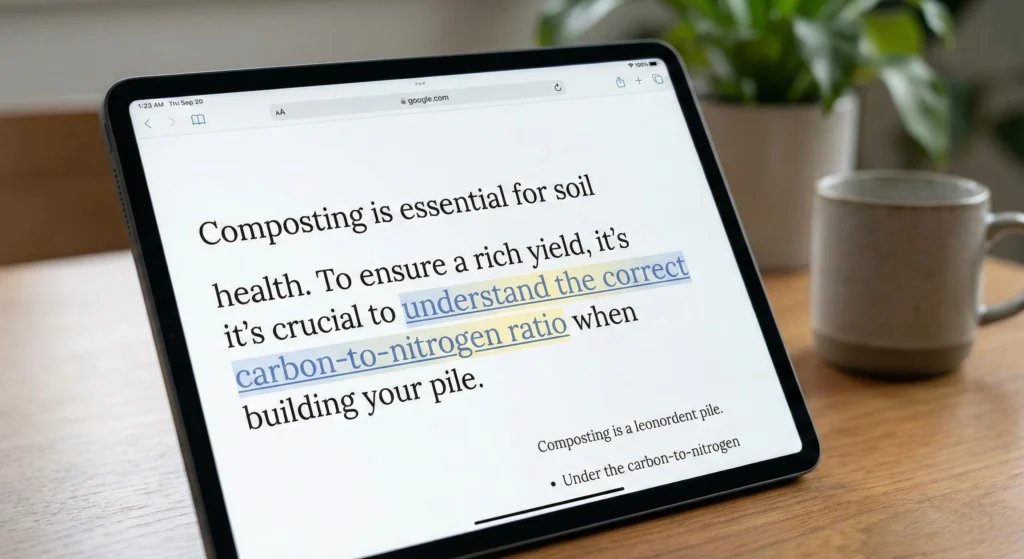
1. Contextual Editorial Links
These are links:
- Placed naturally within the content
- Surrounded by relevant text
- Added because the content needed a reference
These links pass authority, relevance, and trust.
2. Topical Authority Links
Links from sites that:
- Exist within your niche
- Publish content related to your subject
- Are trusted by other sites in the same ecosystem
Google sees these as endorsements, not votes.
3. Brand Mentions (Linked or Unlinked)
When your site or brand is mentioned alongside others in your space, it builds entity authority even if the link itself is nofollow or unlinked.
4. Traffic-Generating Links
If a link sends real users who engage, Google notices.
Traffic doesn’t replace authority—but it reinforces legitimacy.
5. Trust-Building Foundational Links
Think:
- Legitimate directories
- Industry associations
- Profile links that establish identity
They don’t move rankings alone—but they stabilize your link profile.
Link Building Strategies That Actually Work Today
Now the part you came for.
Strategy 1: Authority Content-Led Link Earning
This is not “write a long blog post and pray.”

This is about creating content that other publishers can’t avoid referencing.
What Actually Works:
- Original data
- Industry-specific research
- Deep comparisons
- Contrarian but defensible opinions
- Technical breakdowns others don’t want to write
Example:
Instead of “Best Email Marketing Tools,” publish:
“We Analyzed 2,400 Campaigns: Here’s How Email CTR Changes by Industry”
That content forces links.
Why This Works:
- Publishers need sources
- Google rewards original information
- Links arrive naturally over time
This is slow, but it compounds.
Strategy 2: Digital PR (Without the Spam)

Digital PR works when:
- You pitch stories, not links
- You target journalists, not bloggers
- You provide value, not requests
What fails:
- Mass email blasts
- Generic “expert quotes.”
- Irrelevant commentary
What works:
- Timely insights
- Data-backed opinions
- Niche expertise
A single earned media link can outperform 50 guest posts.
Strategy 3: Strategic Guest Posting (Still Effective If Done Right)
Guest posting is not dead. Guest posting abuse is dead.

The difference:
- One-off, high-quality contributions
- Real audiences
- Editorial discretion
Avoid:
- Guest post networks
- “Write for us” farms
- Keyword-stuffed bios
Aim for:
- Brand visibility
- Natural anchors
- Contextual mentions
If the site exists only to publish guest posts, walk away.
Strategy 4: Niche Edits & Contextual Insertions (With Caution)
These work when:
- The page is already indexed and ranking
- The link fits naturally
- The site has real editorial standards
They fail when:
- Insertions are forced
- Anchors are an exact match
- The site sells links openly
Used sparingly, they’re effective. Overused, they’re dangerous.
Strategy 5: Linkable Assets That Attract Passive Links
These include:
- Free tools
- Calculators
- Templates
- Industry glossaries
- Definitive guides
They require upfront effort but reduce outreach over time.
Strategies That Barely Work (or Are Actively Harmful)
Let’s clear the noise.
Blog Comments
Almost entirely useless.
Forum Spam
Worse than useless.
PBNs
Still work—until they don’t. High risk.
Fiverr Link Packages
A penalty waiting to happen.
Mass Directory Submissions
Low value, outdated.
Anchor Text, Velocity, and Patterns (Where Most Sites Get Hurt)
This is where experienced SEOs win.
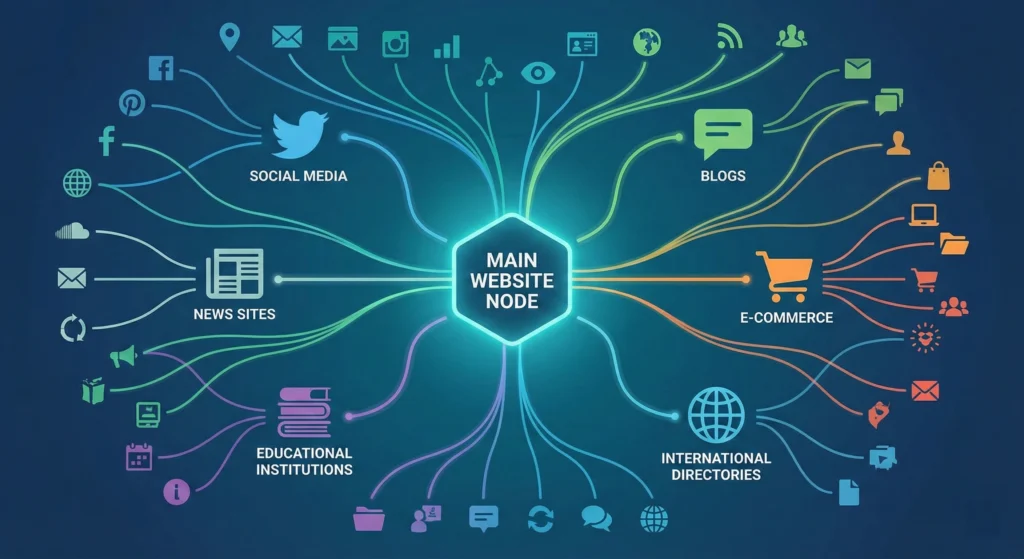
Anchor Text Reality
Exact-match anchors are dangerous at scale.
Healthy profiles look like:
- Brand anchors
- URL anchors
- Partial matches
- Natural phrases
Link Velocity
Sudden spikes without brand growth = red flag.
Patterns Google Flags:
- Same anchors repeatedly
- Same link placement styles
- Same referring site types
Diversity isn’t optional anymore.
How to Choose the Right Strategy for Your Site
Ask yourself:
- Is this a brand or niche site?
- Is the content link-worthy?
- Do I need authority or trust first?
New sites need:
- Foundational links
- Brand mentions
- Content assets
Established sites need:
- Authority reinforcement
- Topical dominance
- Selective outreach
There is no universal strategy. Context matters.
Common Myths That Refuse to Die
- “DA is everything” — It’s not.
- “Nofollow links are useless” — False.
- “More links = higher rankings” — Not anymore.
- “Guest posts are spam” — Only bad ones.

- Internal linking amplifies external links
- One great link can lift dozens of pages
- Topical clusters outperform isolated pages
- Links age and aging links gain trust
The best SEOs build fewer links but better ones.
Frequently Asked Questions
1. How many backlinks do I need to rank?
There’s no number. Authority, relevance, and competition matter more than volume.
2. Are paid links always bad?
Paid links that pass PageRank violate guidelines, but not all paid placements are equal. Risk management matters.
3. Do nofollow links help SEO?
Indirectly, yes. They contribute to trust, traffic, and natural profiles.
4. How long before links impact rankings?
Anywhere from weeks to months, depending on crawl frequency and competition.
5. Should I disavow bad links?
Only if there’s clear manipulation or a manual action risk.
6. Can internal links replace backlinks?
No, but they maximize their impact.
7. Are homepage links better?
Often yes, but contextual relevance matters more.
8. Does traffic from links matter?
Yes. Engagement reinforces legitimacy.
9. Is link building safe long-term?
Only if it mirrors natural growth patterns.
10. What’s the biggest mistake beginners make?
Chasing metrics instead of relevance.
Final Takeaway: Link Building Isn’t a Tactic Anymore
If there’s one thing I want you to take away, it’s this:
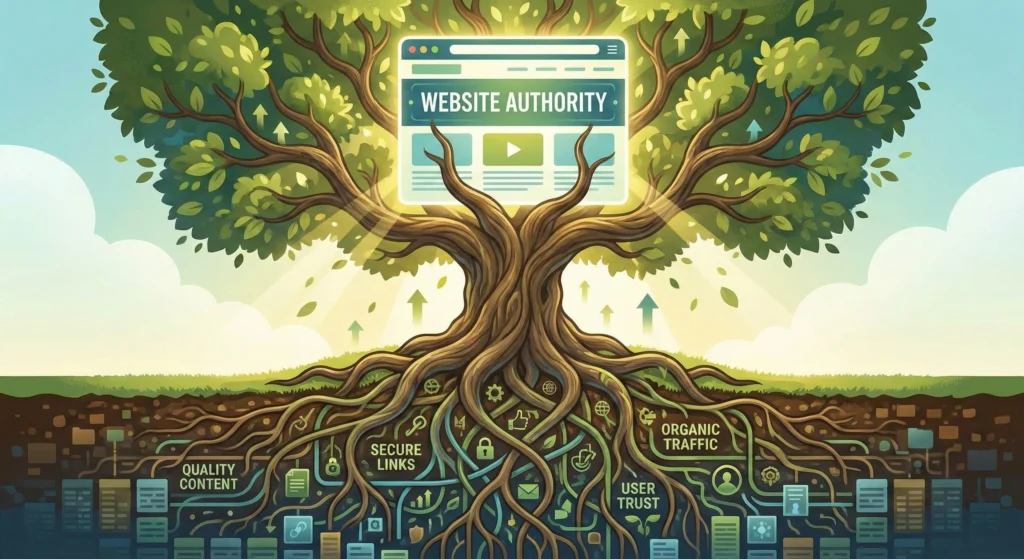
Modern link building is not about acquisition. It’s about earning relevance.
Every successful site I’ve worked on stopped “building links” and started:
- Publishing reference-worthy content
- Becoming part of an ecosystem
- Attracting citations, not chasing them
If you treat links as transactions, Google will treat your site the same way.
If you treat links as outcomes of value, rankings follow.
That’s how link building actually works now.